Outdoor improvements do not always require complicated construction or expensive materials. With thoughtful planning, metal can be used for practical DIY projects that add shade, protection, safety, storage, privacy, or visual interest to a yard or other outdoor area. The key is matching each material to the job and understanding how weather, weight, corrosion, drainage, and structural stability can affect the finished project.
DIY metalwork can also provide opportunities to reuse materials and reduce waste. Whether building something new or repurposing existing pieces, careful measurements, appropriate tools, safe handling, and thorough cleanup can help produce a finished project that works well and holds up outdoors.
Plan Each Project Around Its Intended Use
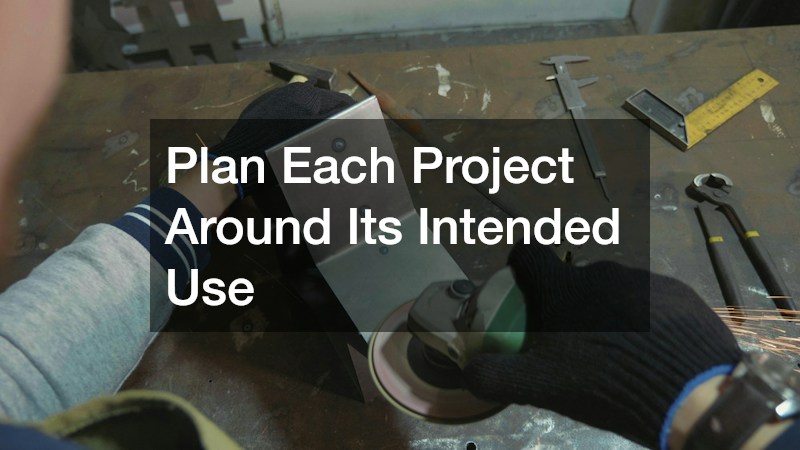
A good outdoor metal project starts with a clear understanding of what the finished structure needs to do. A decorative feature may only need to support its own weight, while a railing, roof, or overhead structure may have substantially greater structural requirements. Defining the purpose first makes it easier to select suitable materials and determine how they should be assembled.
For projects requiring specialized shapes or dimensions, a metal forming company may be able to produce components that would be difficult to create accurately with basic DIY equipment. This can be particularly useful when a design includes curves, precise bends, repeated shapes, or other custom features.
Before purchasing materials, outline:
- The overall dimensions of the project
- Where the structure will be anchored
- How much weight it needs to support
- How rain and water will affect it
- Which tools are required for construction
A simple sketch can expose problems before materials are cut. Marking measurements, connection points, openings, and clearances in advance can also reduce wasted material. If the project will be permanently attached to a home or another structure, determine whether additional structural or local requirements apply before construction begins.
Protect Outdoor Structures From Weather Exposure
Metal can be a practical choice for outdoor structures because it can provide durable protection from the elements when properly selected and installed. Roofing projects are a good example because the material must shed water while remaining securely attached through changing weather conditions.
When using metal roofing for a small outdoor structure, start by planning the roof’s slope and drainage. Water should have a predictable path away from the structure rather than collecting in low areas or flowing toward a foundation. The roof design should also account for the direction of prevailing weather and the location of nearby structures.
Before installation, consider:
- The required roof dimensions
- The planned slope and drainage direction
- Appropriate fastening locations
- Edge and corner details
- Safe methods for cutting and handling panels
Metal panels can have sharp edges, so protective equipment and careful handling are important during installation. Avoid improvising structural connections simply because a particular fastener or support is convenient. For a shed, covered work area, or similar project, the roof should be designed as part of the entire structure rather than treated as a separate decorative addition.
Choose Reclaimed Metal Carefully
Reclaimed metal can give DIY projects character while making use of materials that might otherwise be discarded. However, not every piece of scrap is suitable for reuse. A material that looks usable at first glance may have hidden corrosion, damage, excessive wear, or a previous application that makes it inappropriate for a particular project.
A metal recycler can be a useful source of information about different types of recyclable material and how they are commonly handled. When evaluating reclaimed pieces, focus on condition rather than simply choosing the cheapest available option. Structural components deserve especially careful inspection because weakness that is not obvious can create problems later.
Look for:
- Deep rust or significant corrosion
- Cracks, splits, or weakened sections
- Severe bends or deformation
- Damaged connection points
- Unknown coatings or residues
Clean reclaimed pieces before using them when appropriate, and remove loose corrosion or debris that could interfere with cutting, fastening, or finishing. Measure every piece before incorporating it into a design. Keeping reusable pieces separated from materials that should be recycled can also make future projects easier to organize.
Find Usable Materials Without Overspending
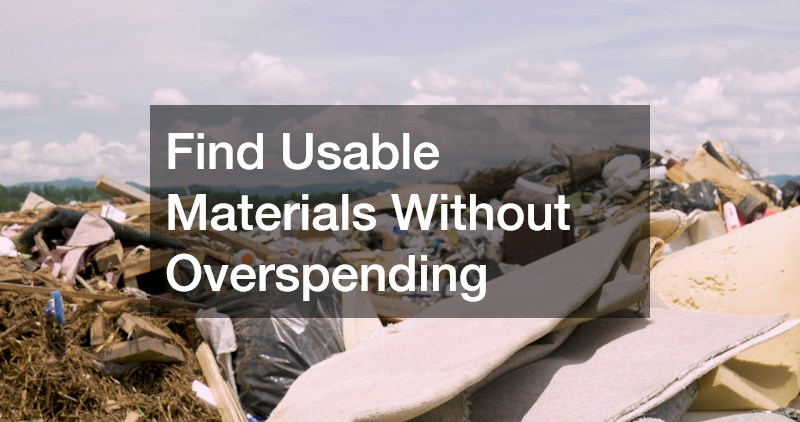
A DIY project does not necessarily require buying every component new. Reclaimed metal can sometimes provide suitable material for decorative features, garden structures, storage solutions, and other projects where structural demands are manageable. Finding the right material, however, requires patience and a willingness to adapt the design.
A local scrap yard may have pieces in different sizes, shapes, thicknesses, and conditions. Before visiting, make a list of the dimensions you need and decide which characteristics are essential. This prevents an interesting piece of scrap from dictating the project simply because it is available.
When evaluating potential materials:
- Measure the length, width, and thickness
- Inspect surfaces for excessive corrosion
- Check whether pieces are straight enough for the intended use
- Consider how the material will be transported
- Determine whether additional preparation will be required
It can be helpful to design a project around standard sizes whenever possible. Doing so reduces cutting and can make assembly easier. If a reclaimed piece is slightly different from the original plan, adjust the design only when the change does not compromise stability or function. A low-cost material is not a bargain if extensive repair or modification makes it unsuitable.
Add Safety and Accessibility to Elevated Areas
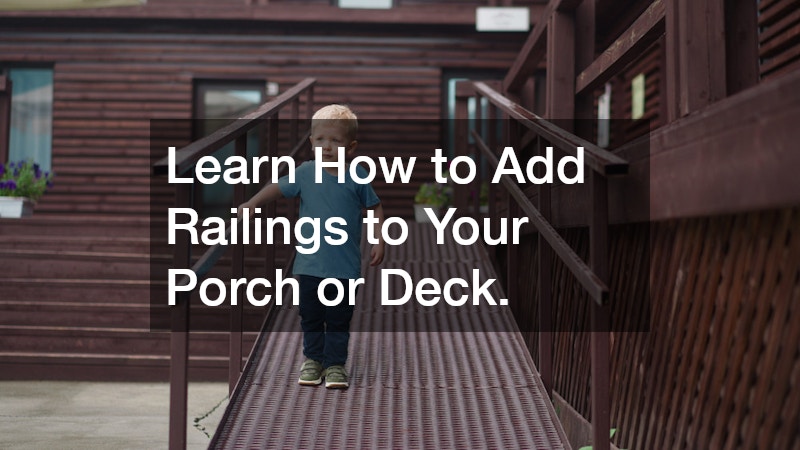
Railings can make decks, stairs, porches, and other elevated outdoor areas safer while also giving the space a finished appearance. Because a railing can be responsible for preventing a fall, its structural performance matters far more than its appearance. DIY installation should therefore begin with measurements and applicable requirements rather than aesthetic choices.
An aluminum railing can be useful for an outdoor project where a durable, relatively low-maintenance railing material is appropriate. Before installation, identify the locations of posts, determine how they will connect to the supporting surface, and verify that the underlying structure can handle the loads involved.
Plan for:
- Consistent post spacing
- Secure attachment points
- Appropriate height
- Safe openings and spacing
- Stable handrail connections
Do not assume that an existing deck or porch can support new railing posts without inspection. The condition of the supporting material matters, particularly on older structures. Local building requirements may also establish specifications for railing height, openings, and structural strength. If the project involves a significant fall hazard or uncertain structural conditions, professional assistance may be appropriate.
Decide What Metal Is Worth Reusing
DIY projects often produce leftover metal, including short sections, cutoffs, fasteners, and pieces that did not fit the final design. Throwing everything into one container can make it difficult to determine what can be reused, recycled, or handled separately. Sorting materials as you work makes cleanup and future projects easier.
Precious metal buyers are an example of specialized businesses that may evaluate certain materials differently from a general recycling operation. This does not mean every leftover piece has significant value, but it illustrates why identifying materials before disposal can be worthwhile.
After completing a project, separate materials by:
- Metal type
- Size and condition
- Potential future use
- Recyclability
- Materials requiring specialized handling
Keep useful offcuts in a labeled storage area rather than allowing them to accumulate randomly. Short pieces may become brackets, supports, decorative elements, or components of another project. Materials that are damaged or unsuitable for reuse should be directed toward an appropriate recycling or disposal option..
Match Roofing Materials to the Project
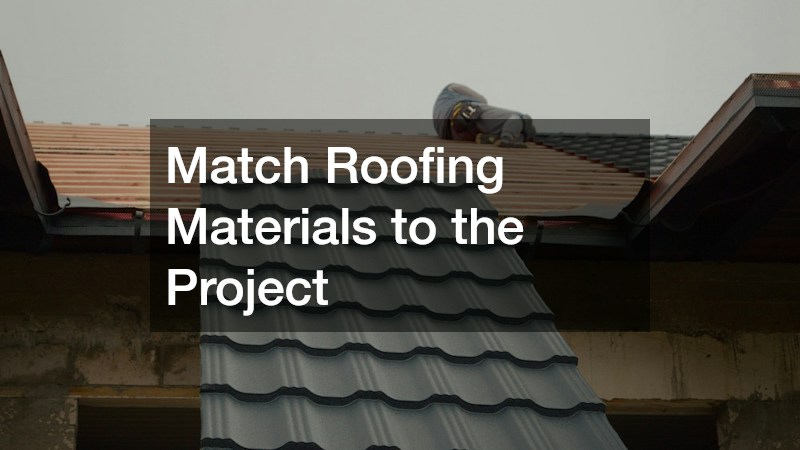
Roofing projects require more planning than simply choosing attractive panels. The supporting components play an important role in keeping the roof secure and helping prevent water from entering the structure. Choosing compatible materials before beginning installation can prevent interruptions and improvised solutions halfway through the project.
When purchasing metal roofing supplies, create a complete materials list based on the roof design. Include the panels and the supporting products required to install, seal, trim, and finish the roof. Quantities should be calculated from actual measurements rather than estimates based solely on the apparent size of the structure.
A project list may include:
- Roofing panels
- Compatible fasteners
- Edge or ridge components
- Flashing
- Underlayment where appropriate
- Sealants or other installation materials
Compatibility matters because not every fastener or sealant is appropriate for every roofing material. The installation instructions for the selected products should guide the assembly process. It is also useful to account for cuts, overlaps, and waste when calculating quantities. Having the necessary components on hand before work begins can make the installation more organized and reduce the temptation to substitute unsuitable materials.
Combine Metal With Other Exterior Materials
Outdoor projects do not have to rely on one material. Combining metal with composite products can create privacy screens, walls, partitions, decorative structures, and other features with different textures and visual characteristics. The key is planning how the materials will connect and respond to outdoor conditions.
A composite wall panel may work as part of a structure supported by a metal frame. Before installation, determine how the panels will attach, where fasteners will go, and whether the materials can move or expand differently with temperature changes. A connection that works indoors may not perform the same way when exposed to rain, sunlight, and temperature fluctuations.
Consider:
- How the two materials will be joined
- Whether the connection permits appropriate movement
- How water will drain from the assembly
- Whether exposed edges need protection
- How each material should be cleaned and maintained
Plan transitions before cutting either material. A drawing showing the frame, panel dimensions, fastener locations, and finished edges can prevent awkward gaps or exposed hardware. Choosing complementary textures and finishes can also make a mixed-material project look intentional rather than improvised.
Build Shade and Comfort Into Outdoor Living Areas
Shade structures can make an outdoor space more useful by creating a defined area for seating, dining, entertaining, or relaxing. A freestanding structure also gives homeowners an opportunity to plan the space around how they actually intend to use it instead of adding features without a clear purpose.
An aluminum pergola can provide a framework for creating a designated outdoor living area. Start by selecting a location that works with the existing yard, considering sunlight, drainage, nearby structures, and the amount of available space. Think about how the structure will look from inside the home as well as from the yard.
Before assembly, determine:
- The desired footprint and height
- Post locations and clearances
- How the structure will be anchored
- Where people will walk around it
- Whether lighting or other additions will be installed
A pergola should be stable under expected outdoor conditions. Do not treat anchoring as an afterthought simply because the structure is primarily decorative. Additional features such as lighting, climbing plants, screens, or shade coverings can add weight and wind exposure, so account for them during the initial planning process.
Finish Projects With a Thorough Cleanup
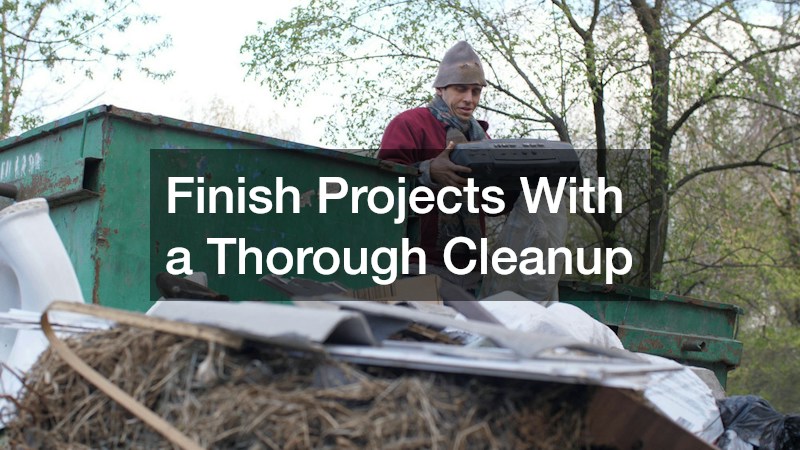
Construction does not end when the last fastener is installed. Metal projects can leave behind sharp offcuts, metal filings, packaging, excess sealant, loose hardware, and other debris. Leaving these materials in the work area can create hazards and make it harder to evaluate the finished project.
Construction cleaning should begin with a systematic inspection of the entire work area. Collect larger scraps first, then look for smaller pieces that may be hidden beneath structures, landscaping, or equipment. Separate recyclable materials from general waste and store reusable pieces appropriately.
A final cleanup should include:
- Collecting sharp metal offcuts
- Removing loose screws and fasteners
- Sweeping or vacuuming metal debris where appropriate
- Clearing packaging and construction waste
- Inspecting the finished structure
The final inspection is also an opportunity to identify problems. Look for exposed sharp edges, loose connections, unfinished cuts, damaged surfaces, or places where water could collect. Correcting these issues before declaring the project complete is easier than discovering them after the space is back in regular use.
DIY metal projects can transform outdoor spaces when they are approached as complete projects rather than collections of materials. A successful improvement starts with understanding the purpose of the structure, selecting materials that fit the job, and planning measurements, connections, drainage, and maintenance before construction begins.
Safety should remain a priority throughout the process. Projects involving roofs, railings, elevated areas, or permanent structures deserve particular attention to structural requirements and local regulations. Once construction is finished, careful inspection and cleanup complete the job. With thoughtful planning and responsible material choices, DIY metalwork can produce outdoor improvements that are practical, attractive, and suited to the way the space is used.