Mosquitoes are not only annoying but can also be dangerous due to their ability to transmit diseases like malaria, dengue, and Zika virus. Addressing this issue with a proactive DIY approach allows individuals to protect themselves and their families while avoiding the high costs of professional services. This article will guide you through effective methods to control and prevent mosquitoes using accessible and natural solutions. By taking responsibility for mosquito management, we can create a safer and more comfortable outdoor environment for our enjoyment. Let’s explore how DIY mosquito treatment can be an empowering and essential task for every homeowner.
DIY mosquito treatment typically involves using natural remedies, which are not only eco-friendly but also safe for children and pets. While professional services may involve harsh chemicals that can harm the environment, home-based solutions often utilize ingredients like essential oils and common household items.
Implementing such methods can significantly reduce mosquito populations around your home, enhancing its liveability. Additionally, taking a DIY approach allows you to develop a greater understanding of mosquito behaviors and how to counteract them effectively. Ultimately, it provides a great sense of accomplishment and independence.
Moreover, engaging in DIY mosquito control promotes environmentally sustainable practices by minimizing pesticide runoff into the ecosystem. This is critical as many chemicals used in professional pest control can be harmful to aquatic life and biodiversity. Through education and effective practices, DIY efforts can reduce ecological footprints while maintaining a healthy balance in your garden and outdoor spaces. By employing the right combination of methods and regular application, DIY mosquito treatment can be highly effective. Join the growing community of homeowners committed to sustainable living by learning how to manage mosquitoes yourself.
What are the best natural methods for mosquito control?
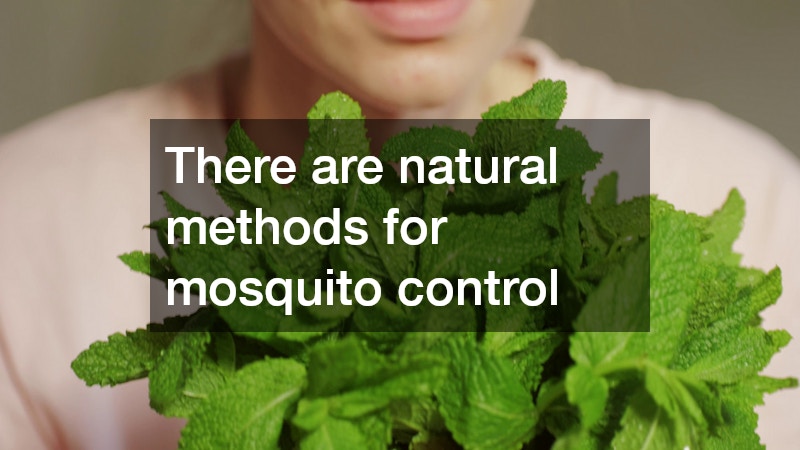
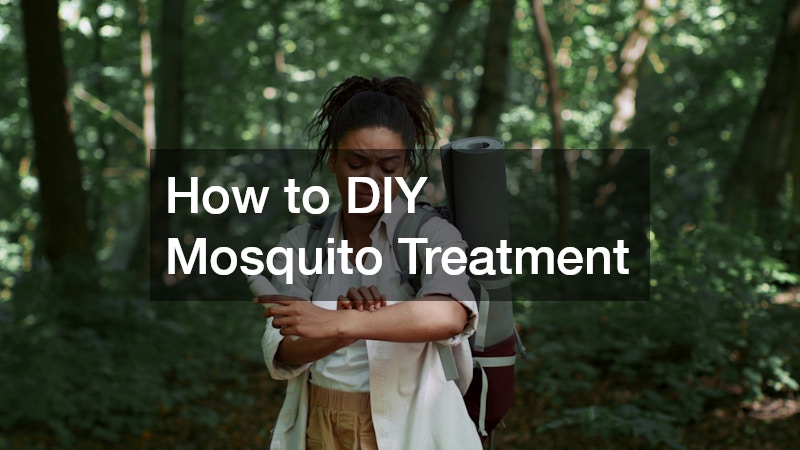
Natural mosquito repellents can be highly effective when used correctly. Essential oils like citronella, eucalyptus, and lavender can be mixed into a carrier oil and applied to skin or clothing to deter mosquitoes. Additionally, planting mosquito-repellent plants such as marigolds, basil, and lemongrass around your home serves as a natural barrier. These plants release aromas that are unpleasant to mosquitoes, making them retreat from your vicinity. Not only do these methods repel mosquitoes, but they also promote a beautiful and aromatic garden.
Another effective natural method is the use of water and garlic solution, which can be sprayed around potential breeding sites. The strong scent acts as a deterrent and hinders mosquitoes from laying eggs in the treated areas. Regularly changing water in bird baths and flower pots can further prevent mosquitoes from reproducing. Lemon and cloves together also form an excellent natural repellent when placed in areas where mosquitoes are frequent. Despite their simplicity, these natural methods can provide long-lasting protection against mosquitoes.
Moreover, make use of household items like vinegar, which is a versatile mosquito repellent. A mixture of vinegar and water can be sprayed on windowsills and door frames to keep mosquitoes at bay. Another natural method includes utilizing fans to create airflow, as mosquitoes struggle to fly against strong winds. Keeping your lawn trimmed and free of debris helps eliminate mosquito habitats, further contributing to effective control. In combination, these strategies form a comprehensive mosquito management plan that aligns with sustainable living standards.
How can I mosquito-proof my home effectively?
Mosquito-proofing your home starts with inspecting the perimeter for potential entry points. Ensure that windows and doors have tight-fitting screens without holes, providing a physical barrier against mosquitoes. Seal any gaps or openings around the house, which may serve as entryways for these pests. Interior protection can be strengthened with the use of mosquito nets over beds, especially in areas with high mosquito presence. By creating a physical defense around your home, you form the first line of protection against these insects.
Employ daily practices to maintain a mosquito-free environment by using screens or nets on door and window openings. Consider installing air curtains at entry points; they deter mosquitoes by creating downward airflows. In addition, keep all doors closed when not in use to minimize opportunities for mosquitoes to enter. Regularly checking and repairing any screen damage or holes is important to uphold the integrity of your home’s defenses. Each of these steps contributes significantly to reducing indoor mosquito populations.
Moreover, strategically implement mosquito traps and insect zappers around the household for added protection. Regularly cleaning and removing any standing water inside and around your home is crucial, as these are ideal breeding grounds for mosquitoes. Consider placing insect-repelling plants indoors and maintaining proper ventilation as additional preventive measures. Effectively mosquito-proofing your home not only ensures comfort indoors but also maintains health by lowering the risk of mosquito-borne diseases. These comprehensive steps reinforce a robust defense plan against unwanted mosquito activity.
What are common mistakes in DIY mosquito treatment?
A prevalent mistake in DIY mosquito treatment is underestimating the necessity of timely application and maintenance of methods. While one-time treatments may offer temporary relief, ongoing measures are vital to effectively manage mosquito populations. Another widespread error is not addressing potential breeding grounds, such as standing water in gutters or containers. Mosquitoes thrive in stagnant water, and neglecting these areas can nullify efforts made elsewhere. Consequently, understanding and targeting all life stages of mosquitoes proves essential for comprehensive control.
Additionally, misuse of natural repellents or incorrect mixture ratios can reduce their efficacy. Trial and error might be necessary to determine the right concentration of essential oils to maximize their effect. It’s crucial to reapply these solutions regularly, especially during peak mosquito season, to maintain their effectiveness. Furthermore, relying too heavily on one method instead of employing multiple strategies results in subpar control outcomes. Diversifying your techniques helps overcome the adaptability of mosquitoes to individual treatments.
Moreover, failing to identify and use appropriate repellent types for different mosquito species can hinder success. Various species exhibit varying preferences and tolerances, thus knowing the types prevalent in your area can optimize treatment selection. Lastly, not taking adequate measures to protect yourself while applying treatments can lead to personal discomfort or exposure. Always follow safety guidelines when handling repellents and insecticides, even if they are natural. By avoiding these common pitfalls, you enhance the effectiveness of your mosquito management efforts.
How often should mosquito treatments be applied?
The frequency of mosquito treatment applications largely depends on the methods used and local environmental conditions. Natural remedies, such as essential oil sprays, may require more frequent applications, typically every few days or weekly, due to their rapid breakdown in the environment. In contrast, some biological control methods can have longer-lasting effects, requiring monthly monitoring and adjustment. Regularly scheduled treatments are essential during peak mosquito season, generally from early spring through late summer, to ensure ongoing protection.
Adjusting the frequency based on weather conditions can maximize effectiveness. Rainfall and high humidity can dilute or wash away treatments, necessitating more frequent reapplication. Conversely, during dry periods, you may extend the intervals as mosquitoes are less active. Monitoring the local mosquito activity levels also helps determine when intensified treatment is necessary. By staying vigilant and flexible, you can tailor your DIY regimen to suit dynamic environmental changes effectively.
Maintaining a consistent and well-organized treatment schedule ensures thorough mosquito management. Keep a calendar or a digital reminder for applying various repellents and maintenance activities, such as checking traps or clearing stagnant water. Over time, this routine becomes second nature, leading to fewer mosquito encounters and more enjoyable outdoor experiences. Additional efforts, such as community coordination in treatment applications, can also amplify the overall impact. By understanding these time-sensitive requirements and collaborating with neighbors, you create a broader protective shield against mosquitoes.
What are the benefits of DIY mosquito treatment over professional services?
One of the main advantages of DIY mosquito treatment is cost savings. Professional pest control services can be expensive, especially for ongoing treatments, whereas home-based methods utilize affordable and readily available resources. Embarking on DIY treatments enables homeowners to allocate their resources more effectively while ensuring thorough, personalized care for their homes. Additionally, the autonomy and satisfaction of handling one’s pest control are motivating factors that inspire learning and growth. Empowering yourself through DIY mosquito treatment nurtures a sense of self-reliance and efficiency.
Moreover, DIY methods present an environmentally friendly alternative by relying on natural ingredients and practices. This reduces dependence on harsh chemicals and minimizes ecological impacts, protecting non-target species and maintaining biodiversity. Home-based solutions also allow customization to suit individual needs, such as selecting repellent scents and planting mosquito-repellent gardens. By making informed, responsible choices, you contribute positively to environmental conservation while keeping your home mosquito-free. Ultimately, DIY mosquito solutions embody the principles of sustainable living and eco-consciousness.
Furthermore, DIY treatments offer immediate and adaptable solutions, tailored to unexpected increases in mosquito activity. Quick response and continuous adjustments in repellents ensure year-round protection, unlike the fixed schedules of professional services. Homeowners also gain valuable insights into mosquito behavior and prevention, empowering them to educate others on effective measures. Through community engagement, the cumulative effects of DIY strategies can significantly reduce local mosquito populations. Thus, DIY mosquito treatment is a proactive, flexible, and rewarding approach to safeguarding your family’s health and comfort.
In conclusion, effective mosquito management through DIY treatments is a crucial and feasible undertaking for homeowners. By utilizing natural methods, understanding implementation frequencies, and recognizing common pitfalls, you can maintain an outdoor environment free from these pests. DIY mosquito control not only shields your home from potential diseases but also promotes sustainable living practices and environmental conservation. As you become adept at managing this challenge, the skills and knowledge gained can be shared within your community, encouraging collaborative efforts. Embrace and implement these DIY strategies as part of your regular home maintenance for a healthier and more enjoyable living space.
The journey towards efficient mosquito control is empowering and underscores the importance of sustainable intervention methods. By designing personalized, eco-friendly strategies, you create a living space that respects both nature and human well-being. Likewise, supporting DIY initiatives nurtures a sense of responsibility for your family’s safety while showcasing ecological mindfulness. With the right tools and easy-to-adopt practices, managing mosquitoes becomes an attainable goal everyone can achieve. Embrace the DIY approach as a stepping stone to further explore sustainable pest control methods that lead to lasting change.
As we strive for healthier living environments, DIY mosquito treatments serve as a cornerstone for achieving our safety and comfort objectives. By committing to these practices, you contribute to a mosquito-free existence that benefits both yourself and the broader community. Remember, vigilance and consistency in applying these methods allow for impactful results over time. Thus, equipped with knowledge and passion, take charge of your surroundings for a more serene and enjoyable lifestyle. Challenge yourself, explore, and implement these DIY strategies for a mosquito-free zone that embodies the harmony of coexistence.